
Tuesday, October 27, 2026
American Nurses Enterprise Research Workshops
Discovery to Impact: Advancing Research for a Healthier Future
Important Registration Information
- Registration is required for each Research Workshop.
- Participants may register for one morning workshop and one afternoon workshop.
- Seating is limited to 45 participants per workshop.
- Workshops are filled on a first-come, first-served basis.
- Earn up to 6 ANCC contact hours.*
Morning Research Workshops
RS-WS1
Care Meets Curiosity: Research Methods Every Nurse Should Know
This interactive workshop will provide learners with an overview of research methods for nursing research study design. Nurses and nurse leaders who seek to build fundamental skills in nursing research methods are the intended audience for this session. This workshop will provide a comprehensive overview of study design principles that work in clinical and community settings, practical tips for research methods, and application of commonly used research methods to nursing scholarly inquiry. Participants are expected to engage in a variety of activities throughout the session. Learners can expect to immerse themselves in a live study-planning session that can translate to nursing scholarship in their respective clinical settings.
$150
Presenter
Katherine A. Hinderer, PhD, RN, CNE, NEA-BC
Katherine A. Hinderer, PhD, RN, CNE, NEA-BC is Senior Pediatric Nurse Scientist at Connecticut Children’s Institute for Nursing Research and Evidence-Based Practice and Associate Chair for Nursing Research in the Connecticut Children’s Research Institute. She earned her BSN and PhD from the University of Maryland, Baltimore, and an MSN in Nursing Leadership from Wilmington University. She is ANCC Board Certified as a Nurse Executive-Advanced and a Certified Nurse Educator.
With more than 25 years in nursing, Dr. Hinderer brings expertise in nursing research, evidence-based practice, and interprofessional education across clinical and academic settings. Her work centers on pediatric mental and behavioral health, end-of-life decision-making, cultural aspects of advance care planning, and workforce well-being.
A 2024 Nightingale Award recipient and 2025 Heilbrunn Nurse Scholar Awardee, Dr. Hinderer is currently validating a pediatric emergency nursing assessment tool for children in crisis and leading studies on school nurses’ roles in child mental health and pediatric advance care planning. She is deeply committed to mentoring pediatric nurses and interprofessional colleagues in research and implementation science.

RS-WS2
World Café- Managing Multi Site Magnet Research at Scale: Best Practices to Strengthen New Knowledge Development and Infrastructure
This interactive workshop explores best practices for managing multi-site Magnet research at scale, with a focus on strengthening research infrastructure and New Knowledge (NK) development. Using the dynamic World Café format, participants will engage in rotating table discussions to collaboratively examine strategies for building scalable resources and policies that support nurses across all roles in leading and participating in Magnet-aligned research, standardizing NK synopsis selection and documentation, optimizing IRB and regulatory navigation, and planning effective internal and external dissemination of research findings. Attendees will leave equipped with practical tools, synthesized group insights, and actionable plans they can immediately apply to enhance research capacity and scholarly impact in their own organizations.
$150
Presenters
Monique Bouvier, PhD, APRN, CPNP-PC
Monique Bouvier, PhD, APRN, CPNP-PC is an Assistant Professor at Nell Hodgson Woodruff School of Nursing at Emory University and the Corporate Director of Nursing Science at Emory Healthcare. Her research focuses on nursing care delivery model redesign and improvements in integrating technology into the nursing workflow. She has mentored frontline nurses and nurse leaders on research, evidence-based practice, and quality improvement, and she has authored several peer-reviewed journal articles and presented at national and international conferences. She has 20 years of nursing experience and holds a PhD degree in nursing science from the University of San Diego and a master of science degree in nursing from the University of Florida. She is on the ANE Research Advisory Council and the Georgia Nursing Workforce Advisory Board.

Rachelle Lancaster, PhD, RN
Rachelle Lancaster, PhD, RN is a Nurse Scientist and Nursing Research Manager at Advocate Health, where she leads efforts to build research infrastructure, advance evidence-based practice, and improve patient and teammate safety across a large health system. With more than 25 years of experience in nursing, she brings a unique blend of frontline clinical practice, academic scholarship, and leadership in nursing research. She earned her Bachelor of Science in Nursing from the University of Wisconsin Oshkosh, her Master of Science in Nursing from Marian University, and her PhD in Nursing from the University of Wisconsin Milwaukee. Prior to her current role, Dr. Lancaster served as a tenured Professor of Nursing at the University of Wisconsin Oshkosh and maintained an active practice as a medical-surgical nurse for over two decades. Her scholarly work focuses on critical issues in contemporary nursing, including professional governance, nurse retention and well-being, top-of-license practice, research infrastructure in merged health systems, and patient safety. She has authored numerous peer-reviewed publications in leading journals such as Nursing Outlook, Journal of Nursing Administration, American Journal of Nursing, and Nursing Ethics. Dr. Lancaster is a respected principal investigator for multi-site studies and is known for her collaborative, team-oriented approach to translating research into meaningful improvements in nursing practice and patient outcomes.
Deanna Reising, PhD, RN
Deanna Reising, PhD, RN is currently Professor of Nursing at Indiana University, where she conducts research on educational and patient outcomes of interprofessional education and practice. She teaches primarily in the Bachelor of Science in Nursing (BSN) program and teaches courses in leadership. Dr. Reising is a full member of the University Graduate School, has taught masters courses, and supervises doctoral students in with a nursing education research focus. Dr. Reising is an expert in interprofessional education and collaborative practice, and has provided consultation in those areas as well as legal consultation in malpractice cases. She has a part-time appointment as a Clinical Nurse Specialist and Magnet Program Co-Director at Indiana University Bloomington Hospital, Bloomington, Indiana, and the Magnet Program Coordinator for Indiana University Health system. Dr. Reising is a fellow in the American Academy of Nursing, fellow in the Academy for Nursing Education awarded by the National League for Nursing, and a fellow in the National Academy of Practice. She was named a Macy Faculty Scholar in 2014 and her work focuses on a collaboration between Indiana University School of Nursing and Indiana University Health in Bloomington using interprofessional student navigation teams to impact patients at high risk for readmission in transitional care.

RS-WS3
From Voice to Value: Measuring the Impact of Professional Governance in Nursing
This interactive workshop provides Chief Nursing Officers, Chief Nursing Executives, Magnet® Program Directors, Nurse Leaders, and Nurse Research Scientists with a comprehensive overview of professional governance in nursing. Participants will examine instruments used to measure professional governance, key psychometric considerations, and strategies for selecting tools that align with organizational goals and resources. Through case based discussion and small group work, attendees will analyze their own professional governance structures, identify strengths and areas of opportunity, develop a tailored measurement plan, and explore practical strategies for governing practice related to decision making, professional obligation, and collateral relationships. The session emphasizes adult learning principles and provides practical strategies participants can immediately apply in their organizations.
$150
Presenter
Lindsey M. Tarasenko, PhD, RN, Caritas Coach®
Lindsey M. Tarasenko, PhD, RN, Caritas Coach® is a hospital-based research scientist at Children’s Hospital Colorado and an assistant professor at the University of Colorado College of Nursing with clinical training in adult inpatient and pediatric ambulatory care nursing. She holds a PhD in Nursing, with a focus on health care systems research using mixed methods and innovative multimethod designs. With seven years of independent research experience, Dr. Tarasenko has led studies in leader practice environments, professional governance, and clinical-academic-community partnerships. Her work reflects a deep commitment to advancing nursing science through clinical inquiry, mentorship, and collaborative engagement. To amplify national and global impact, Dr. Tarasenko contributes as a researcher with the Verran Professional Governance Scale Research Team and the Watson Caring Science Institute. She also serves as a scientific reviewer for the Colorado Multiple Institutional Review Board, sits on the research committee of the Western Institute of Nursing, and is a founding member of the Colorado Nurse Scientist Network. In recognition of her innovative research methods and dedication to the profession, Dr. Tarasenko received the 2024 Colorado Nurses Foundation Luminary Award for Exceptional Achievement in Nursing Research.
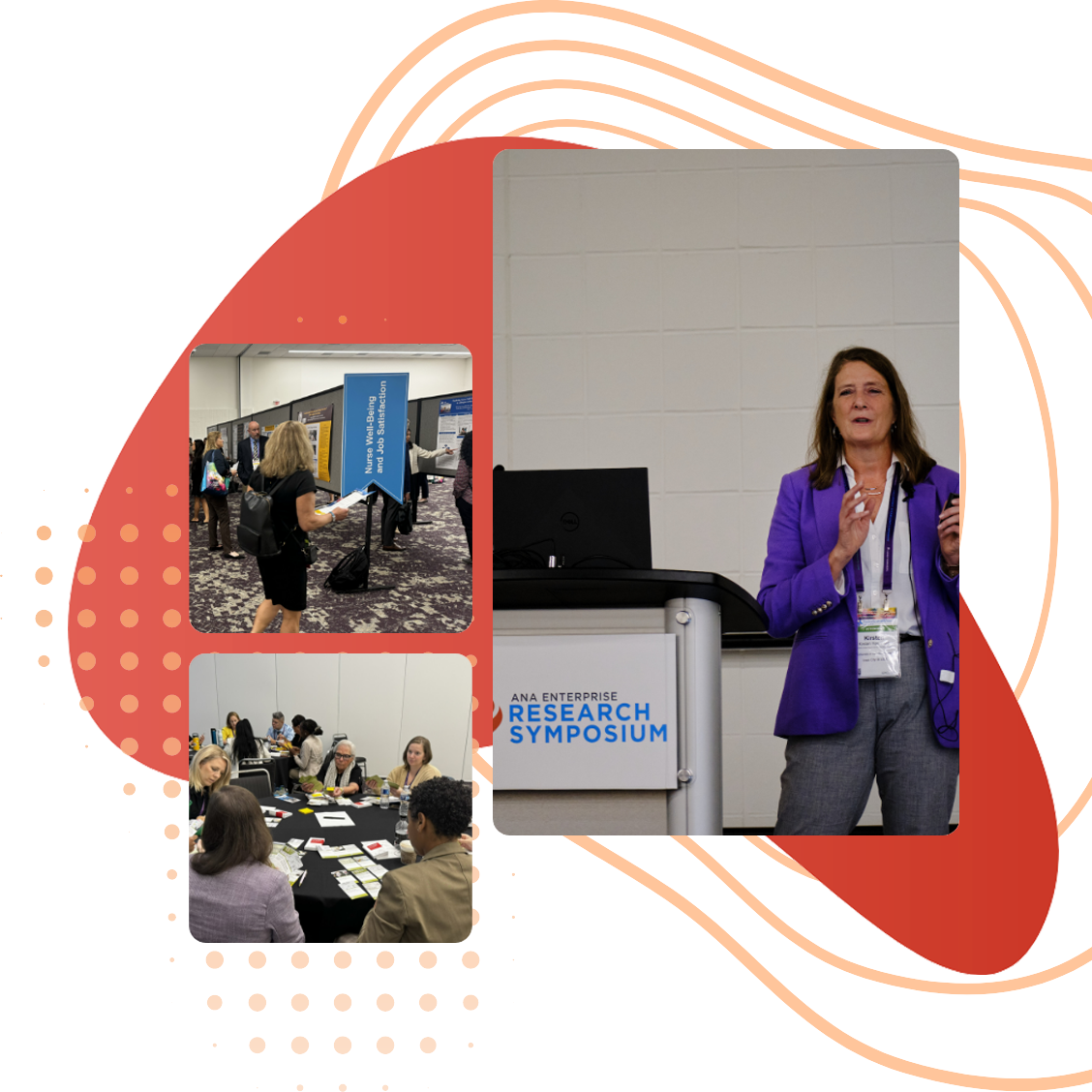
Discovery to Impact: Advancing Research for a Healthier Future
Event Overview
- More Research Workshops:
Tuesday, October 27, 2026, 9:00 a.m. – 12:00 p.m. & 1:00 p.m. – 4:00 p.m.
Expanded from 4 to 6 workshop options! (separate registration required for each workshop)
• Topics: Innovation, Evidence-Based Practice, Introductory Research Methods, Advanced Research Methods, Professional Governance, and Funding & Grants
• 3 morning and 3 afternoon workshops
Registered attendees meeting eligibility requirements may earn 3 ANCC contact hours* for each workshop attended. *Amount of ANCC contact hours is subject to change without notice.
- NEW! Networking Happy Hour:
Tuesday, October 27, 2026, 4:00 p.m. – 6:00 p.m.
Open to both Workshop and Symposium attendees.
• Early Registration – pick up your badge the day before the Symposium
• Hang Your Poster – early poster viewing
• Networking – meet your colleagues
• Meet the ANE Research Advisory Council members and planning team
- Inspirational opening and closing keynote speakers
- More Concurrent Sessions & Poster Presentations:
4 concurrent sessions | 3 tracks, up to 36 oral presentations | 60+ posters. Registered attendees meeting eligibility requirements may earn up to 11 ANCC contact hours* for attending podium presentation(s) and poster presentation group(s).*Amount of ANCC contact hours is subject to change without notice.
innovate and research
Empowering Nursing Through Advanced Research Techniques
-
Event Overview:
Join American Nurses Enterprise for Research Workshops on Tuesday, October 27 and the Research Symposium, "Discovery to Impact: Advancing Research for a Healthier Future", Wednesday, October 28 in Chicago. -
Audience:
Ideal for nursing leaders, educators, researchers in all phases of research, especially practice-based, and those developing research programs. -
Organizers:
Hosted by the American Nurses Enterprise Research Advisory Council and the Institute for Nursing Research and Quality Management. -
Conjunction Event:
Held as a pre-conference to the American Nurses Credentialing Center (ANCC) Magnet & Pathway Conference™. -
Why Attend:
• This is the premier event to network with other nurse scientists!
• Integrate qualitative and quantitative research methods into an organizational research program.
• Develop interprofessional collaboration and clinical-academic partnerships.
• Identify and overcome challenges to nursing research.
• Build an inclusive and diverse research team addressing inequity in healthcare.
• Bring back innovative solutions to research teams and the organization.
• Carry forward a renewed spirit and strategies to grow and sustain a culture of inquiry. -
What Attendees Say:
• 96% gained information or inspiration that will enhance, validate, and/or result in a change of your practice.
• 100% satisfied with the 2025 event (80% very satisfied, 20% moderately satisfied)
• 100% likely to recommend (84% very likely, 16% moderately likely)
- RS-WS1
- Research Symposium (Day 2)
Workshops & Networking Happy Hour
Tuesday, October 27, 2026
9:00 a.m. – 12:00 p.m. Morning Research Workshops
- Care Meets Curiosity: Research Methods Every Nurse Should Know
- World Café - Managing Multi Site Magnet Research at Scale: Best Practices to Strengthen New Knowledge Development and Infrastructure
- From Voice to Value: Measuring the Impact of Professional Governance in Nursing
1:00 p.m. – 4:00 p.m. Afternoon Research Workshops
- Innovation and Quality Learning Lab: Anticipating Future Needs in Healthcare
- Creating an ROI-based Case for Sustaining and Scaling Nurse-led EBP, QI, and Care Innovations
- Choose Your Route—Navigating the Crossroads of Evidence-Based Practice, Quality Improvement, and Research
4:00 p.m. – 6:00 p.m. Networking Happy Hour
- Early Registration – pick up your badge the day before the Symposium
- Hang Your Poster – network and early poster viewing
- Meet the ANE Research Advisory Council
Research Symposium
7:00-8:00 a.m. Breakfast, Registration, and Poster Networking
8:00-9:00 a.m. Opening Plenary
9:15-10:15 a.m. Concurrent Session 1
10:30-11:30 a.m. Concurrent Session 2
11:30 a.m. - 12:30 p.m. Networking Lunch and Awards Ceremony
12:30-1:30 p.m. Attended Poster Session
1:45-2:45 p.m. Concurrent Session 3
3:00-4:00 p.m. Concurrent Session 4
4:15-5:15 p.m. Closing Plenary
Concurrent Sessions & Poster Sessions – More information coming Soon
October 7, 2025
Research Symposium Sessions
- Concurrent Session 1 | 9:15 AM
- Concurrent Session 2 | 10:30 AM
- Concurrent Session 3 | 1:45 PM
- Concurrent Session 4 | 3:00 PM
RS01-A
Shared Governance Evolution
System-Wide Shared Governance Research Encourages Engagement
Celeste Romp, DNP, APRN, CCNS, CPHQ, CCRN, Prisma Health and Matthew Hall, MSN, MA, RN, CCRN, PCCN, Prisma Health
Shared governance, stronger practice. Nurses involved in SG councils reported a more positive professional environment. The study found clear links between SG effectiveness and work quality—highlighting SG as a powerful driver of engagement, growth, and research across the system.
Improving Nursing Shared Governance Through Research in a Multi-Site Healthcare System
Rebecca Babb, MSN, APRN, CPNP-AC, CPHON, Inova Health System and Kathleen Russell-Babin, PhD, RN, NEA-BC, ACNS-BC, Inova Health System
Nurses across a Mid-Atlantic health system shared how shared governance, engagement, and evidence-based practice shape their culture—highlighting how nurse-led research can elevate care, foster collaboration, and strengthen professional practice system-wide.
Association of the Nurses' Perceptions Among Shared Governance, Psychological Empowerment, and Turnover Intentions in Acute Care Hospitals
Emma Aquino-Maneja, DNP, RN, CCRN, Kaiser Permanente
When nurses are empowered to share decision-making with leaders, they are more likely to stay in their roles and deliver better patient care. Strengthening shared governance may be a powerful strategy to boost retention and transform clinical outcomes.
RS01-B
Clinical Assessment & Early Warning
Retrospectively Examining the Probability of Acute Skin Failure Among Hospitalized Patients With Hospital-Acquired Pressure Injuries
Natalie Bermudez, PhD, RN, EBP-C, Baptist Health South Florida and Tori Hatch, BSN, RN, CWCN, Bethesda Hospital East/West | Baptist Health South Florida
Acute skin failure (ASF) in patients with severe pressure injuries can be misdiagnosed. By integrating ASF assessment into nursing practice, nurses can lead the charge to improve diagnostic accuracy and reduce hospital-acquired pressure injury penalties.
Enhancing Skin Assessment: Infrared Spectroscopy Across All Skin Tones
Mary Lee Potter, PhD, MBA, RN, CWOCN, Methodist Hospital Metropolitan
Near-infrared spectroscopy, backed by AI trained on diverse skin tones, showed high sensitivity in detecting early pressure injuries—especially in patients with dark skin. This promising tool could overcome traditional assessment limits, enabling earlier diagnosis and better outcomes.
Influence of the CONCERN Early Warning System on Unanticipated ICU Transfers, In-Hospital Mortality, and Length of Stay: Results From a Multi-Site Pragmatic Randomized Controlled Clinical Trial
Kenrick Cato, PhD, RN, CPHIMS, FAAN, FACMI, University of Pennsylvania / Children’s Hospital of Philadelphia
By leveraging nursing documentation, the CONCERN early warning system identified patient decline sooner—reducing deaths and hospital stays after unexpected ICU transfers. Empowering nurses with predictive tools like CONCERN enables earlier intervention and improves outcomes.
RS01-D1: Temporary Toilet Lids Minimize Contamination of Bathroom Surfaces With Hazardous Drugs
No CNE will be provided for this session
Grace Allen, MSN, RN, OCN, Orange Coast Medical Center and Sadeeka Al-Majid, PhD, RN, FAAN, Orange Coast Medical Center
Low-cost interventions can improve safety for healthcare workers and patients. When uncovered toilets used by chemotherapy patients are flushed, bathroom surfaces can be contaminated with hazardous drugs. Reusable toilet lids and bleach-based cleaning can significantly reduce contamination.
RS01-C
Technology & AI Innovations
The Impact of AI in HIV Care Through a Diplomacy Lab Initiative
Deborah Brabham, RN, PhD, CNE, UF Health Jacksonville and Renata Henderson, RN, DNP, CNE, Florida State College at Jacksonville
Through a Diplomacy Lab, nursing students tackled real-world HIV care challenges while building AI and critical thinking skills. Embedding AI in nursing education is key to developing future leaders and advancing prevention, diagnosis, treatment, and health equity.
Developing Nurse Innovator Competencies for Information and AI Technology Integration in Healthcare
Susan Patton, DNSc, APRN, FAANP, FAAN, HCA Healthcare
A new five-domain framework is helping nurse innovators lead the way in tech-driven care—balancing AI integration with compassion. Backed by strong support across healthcare roles, this tool is set to shape education and practice, empowering nurses to drive human-centered innovation in a digital age.
Empowering New Graduate ICU Nurses: A Virtual Reality Approach to Boosting Self-Efficacy
Ashleigh Routte, SCRN, Baptist Health Louisville
Virtual nursing journal clubs boosted nurses’ confidence and enthusiasm for evidence-based practice. By creating space for learning and discussion, NJCs are proving to be powerful tools for professional growth and building a culture of inquiry at the bedside.
RS02-A
Governance Structures & Empowerment
The Structure of Shared Governance: Does it Matter? A Two-Site, Cross-Sectional Study
Leah May, DNP, RN, C-ONQS, HCA HealthONE ROSE and Elisabet Harms, DNP, RN, CMSRN, CNEcl, HCA HealthONE ROSE
Virtual nurses in acute care report stronger patient safety and better work-life balance—despite tech and communication hurdles. Their insights show virtual nursing isn’t just support, it’s a growing force for innovation, care quality, and workforce transformation: nurses can help shape its future.
Nurses' Insight Into Professional Governance: Effect on Satisfaction / Intent-to-Leave
Peggy Kalowes, PhD, RN, CNS, FAHA, Adventist Health / Nursing Consulting Partners and Julie Mike, BSN, RN, Adventist Health White Memorial
Engaging in shared decision-making isn’t just good for practice—it’s key to retention and growth. Nurses who felt empowered through professional governance reported greater job satisfaction, stronger autonomy, and less desire to leave. Nurses can lead by embracing governance to shape their work and future.
Valuing Nurse's Discretionary Time: Structural Supports for Clinical Nurse Engagement in Research and Evidence-Based Practice
Fay Wright, RN, APRN-BC, PhD, Northwell Health Northern Westchester Hospital
Inclusive governance sparks stronger engagement! While Magnet hospitals saw similar governance perceptions across models, all-staff structures ignited significantly higher staff involvement—highlighting the power of inclusion and the potential for broader organizational impact.
The Engine Behind Evidence: How Nurse-Led EBP, QI and Research Drives ROI Across Teams
Sponsor: Wolters Kluwer

*This sponsored session does not offer CNE credits
Devin Carr, DNP, RN, RRT, ACNS-BC, NEA-BC, CPPS, Chief Nursing Officer, Southern Region of MaineHealth & Maine Medical Center, Kristiina Hyrkäs, PhD, LicNSc, MNSc, RN, Director of the Center for Nursing Research and Quality Outcomes, Maine Medical Center, and Deborah Laughon, MSN-ED MS DBA, CCRN CENP, Director of Professional Development and Clinical Excellence, AdventHealth Celebration
In today’s complex healthcare landscape, the value of nurse-led initiatives in Evidence-Based Practice (EBP), Quality Improvement (QI), and research has never been more critical—or more measurable. This dynamic session explores how frontline nursing leadership is not only transforming patient outcomes but also delivering tangible returns on investment (ROI) across interdisciplinary teams.
Join us to discover how nurse-driven innovation fuels system-wide improvements in care delivery, operational efficiency, and workforce engagement. Through real-world case studies and data-driven insights, we’ll highlight the strategic impact of empowering nurses as evidence champions.
A special feature of this session includes a live demonstration of Ovid Synthesis, a powerful platform that streamlines the EBP and research process. See firsthand how this tool enhances collaboration, accelerates project timelines, and supports the translation of evidence into practice.
Whether you're a novice or a research guru, this session will equip you with actionable strategies to harness the full potential of nurse-led initiatives—and drive meaningful ROI across your organization.
RS02-B
Patient Safety & Environmental Controls
PRIME-ED: A Patient-Centered Instrument to Improve Patient Safety
Elyssa Wood, RN, MPH, PhD, FAEN, CPEN, Inova Health System and Sabina Baidoo, MSN, RN, CEN, Inova Health System
Patients speak, and the message is clear: Women, younger adults, and those with longer ED stays feel less confident in diagnoses. This study using PRIME-ED reveals a call for sharper, more personalized communication—empowering nurses to build trust and elevate patient-centered care.
Calm Hospital: A Multi-Site Nursing Research Study
Christine Larsen, APRN, ACNS-BC, NE-BC, Northwestern Medicine Lake Forest Hospital and Judith Pasternack, RN, BSN, NPD-BC, Northwestern Medicine McHenry Hospital
Across three hospitals, nurses who practiced brief mindfulness techniques saw lasting boosts in focus and resilience over a year. Mindfulness isn’t just a moment of calm, it’s a powerful, sustainable tool nurses can use to strengthen well-being and shape a healthier workplace culture.
RS02-C
Digital Tools & Informatics
An Untold Story: Unveiling Virtual Nursing Metrics
Kymberlee Cox, DNP, RN, NPD-BC, CNE, Johns Hopkins Hospital
Virtual nursing continues to expand, but inconsistent and unvalidated metrics limit its evaluation. Nurses can lead the way by advocating for standardized metrics to evaluate, refine, and scale virtual care effectively.
Satisfaction and Usability of a Medication Adherence App Among Medically Underserved Patients With Chronic Illness: Survey Study
Christa Hartch, PhD, RN, FNP-C, Manhattanville University
Medically underserved adults using a mobile app for chronic illness management reported high satisfaction and better medication adherence. Simple features like reminders made a big impact. Nurses can champion mobile health tools to boost self-efficacy and close care gaps in vulnerable communities.
Empowering Nurses With Dashboards for Individual Clinician Enhancement (DICE): A Pilot Study in a Neurorehabilitation Hospital
Ann Toth, BSN, RN, CPPS, CBIS, Craig Hospital
Clarity meets confidence. A new dashboard (DICE) gave nurses real-time insight into quality metrics. While performance didn’t shift in trials, nurses felt more empowered and heard—driving full adoption and plans to expand. Usability and positive feedback made it a win for frontline engagement.
RS03-A
Wellbeing & Resilience
Health Promotion Behaviors Mediating the Impact of Workload on Nurses Psychological Distress Symptoms
Hephzibah Edwin, PhD, MSN, RN, NPD-BC, PCCN, MedStar Washington Hospital Center
Heavy workloads and poor work environments are contributing to nursing distress, sleep issues, and declining health. Embedding wellness behaviors into daily practice and creating supportive workplaces are essential to protecting nurse well-being and workforce stability.
Nurse Intervention That Builds on Strengths to Facilitate Wellbeing
Cynthia Peterson, PhD, RN, NE-BC, CCRN-K, University of Vermont Medical Center and Genevieve Chandler, PhD, RN, CRRN, University of Massachusetts Amherst
A nurse-led, strengths-based resilience program helped healthcare staff build emotional awareness, connection, and coping skills over 10 weeks. Rooted in Appreciative Inquiry and a social ecological model, this empowering approach shows how aligning well-being with nursing values can strengthen clinician health and workplace culture.
Nurse-Led Research: Post-Pandemic Stress and Support
Vida Vizgirda, RN, PhD, JD, Advocate Health and Sonali Rajput, RN, MSN, CNL, Advocate Health
Three years after COVID-19, the mental toll lingers. Nearly one in three nurses still face serious distress—and many skip wellness resources due to time and privacy concerns. It’s time for support that’s truly accessible, personalized, and built around nurses’ real needs.
How to Use Covidence to Streamline Evidence Synthesis in Nursing
Sponsor: Covidence

*This sponsored session does not offer CNE credits
DeLyndia Green-Laughlin, Community Support Manager & Razia Aliani, Consultant Systematic Reviewer
Nurses are often closest to the problem, which makes them ideal candidates for research. But with shift work, patient care, and paperwork, who has time to lead an entire research project?
This session is made for nurses who want to be involved in research but feel stuck by all the roadblocks: lack of time, different schedules, and not knowing where to start.
Covidence is a cloud-based tool built to make research easier, especially for healthcare teams. It helps you work at your own pace, even when your team isn’t online. It also shows you step-by-step how to do each part of your review, with built-in guides, and free resources.
In this session, we’ll show you how nurses around the world are using Covidence to go from idea to publication - without needing to be a research expert. You’ll see a live demo and get tips that make evidence-based work faster and more doable in real life
RS03-B
Workflow Optimization & Productivity
Impact of Virtual Nursing on Productivity and Staff Attitudes
Alisha Brown, MSN, RN, CMSRN, MedStar Georgetown University Hospital and Meghann Lilley, DNP, RN, CNL, MedStar Georgetown University Hospital
On two busy med-surg units, virtual nurses (ViRN) delivered nearly 5 hours of daily support over 12 weeks—easing bedside workloads, boosting morale, and proving a scalable solution to staffing strain and care quality.
Impact of Centralized vs. Decentralized/Hybrid Lung Cancer Screening Workflows on Adherence Rates in a Safety-Net Hospital
Mary Pasquinelli, DNP, APRN, FNP-BC, CTTS, University of Illinois Chicago
A nurse-led, centralized lung cancer screening model dramatically boosted adherence in a low-income, minority population—thanks to structured follow-up and coordination. This approach shows how expanding nursing roles can drive early detection and help close gaps in cancer care equity.
Leveraging Nurse Talent Profiles for Data-Driven Staffing Optimization in Acute Care
Susan Patton, DNSc, APRN, FAANP, FAAN, HCA Healthcare
Powered by AI, a nurse talent profile tool matched staff skills to specialty needs with 76% alignment between self and manager ratings. This smart staffing approach could boost satisfaction, improve resource use, and elevate care quality, especially in fast-paced acute settings.
RS03-C
Virtual Nursing Models & Experiences
Using an Implementation Science Approach to Evaluate a Virtual Nursing Model from the Perspectives of the Virtual Nurse, Bedside Nurse and Patient
Tajudaullah Bhaloo, PhD, Memorial Hermann Health System
Virtual nursing can improve patient satisfaction while reducing length of stay and increasing throughput. With structured workflows and proper training, VN programs show high levels of acceptance, adoption, and feasibility in clinical practice.
Exploring Evolving Nurse Perceptions of Virtual Support: Bridging ICU Care with Virtual Technology
Rachel Eklund, MSN, APRN, AGCNS, CCRN, Henry Ford Health and Nutrena Tate, RN, PhD, MBA, CPNP-PC, Henry Ford Health
ICU nurses expressed mixed feelings about family-witnessed resuscitation, often due to uncertainty about the role of family support persons (FSPs). Clarifying the FSP’s purpose and providing leadership support can improve implementation and enhance experiences for both families and care teams.
The Lived Experience of Virtual Nurses
Anne Schoening, RN, PhD, CNE, CHI Health Creighton University Medical Center-Bergan Mercy and Tamara Oliver, RN, MPH, PhD, Creighton University College of Nursing
Virtual nursing, real impact. Nurses in acute care shared wins like safer care and better work-life balance—despite tech hiccups and communication snags. Their stories show how virtual nursing strengthens bedside support and highlights key areas for smarter integration and future growth.
RS04-A
Professional Certification & Development
Nurse-Level Predictors of Obtaining Specialty Registered Nurse Certification
David Ryamukuru, PhD, RN, University of Michigan
Specialty RN certification has been associated with improved patient outcomes, better nurse outcomes, and reduced nursing turnover rates. This was the first study to examine the impact of specialty RN certification on patient outcomes at the patient level, where nurses provide direct care.
Promoting Confidence: Using Simulation Pedagogy to Professionally Develop Patient Care Technicians
Lagidgette Robinson, RN, MSN, MEDSURG-BC, NPD-BC, Baylor Scott and White Memorial Hospital
Simulation-based training gave Patient Care Technicians a major confidence boost in handling aggression—outperforming traditional methods. This hands-on approach shows real promise to reduce workplace violence, improving safety, and preparing PCTs to deliver better, more secure patient care.
The Impact of Specialty Registered Nurse Certification on Patient Outcomes: A Nurse-Patient Level Analysis
David Ryanmukuru, PhD, RN, University of Michigan
Patients had better odds—fewer deaths, infections, and pressure injuries—when cared for by more specialty-certified RNs. These benefits held steady regardless of BSN status, highlighting the powerful impact of certification and the importance of continued professional growth in nursing.
Improving Nurse Retention and Satisfaction Through Standardized Onboarding: Building Competence and Confidence in New Graduates
Sponsor: Relias

*This sponsored session does not offer CNE credits
Felicia Sadler MJ BSN RN CPHQ LSSBB, VP Quality Clinical Workforce Development
Discover how standardized onboarding empowers new graduate nurses by enhancing competence and confidence—key drivers of retention and satisfaction. This session explores evidence-based strategies that elevate organizational outcomes through structured support, fostering a resilient nursing workforce prepared to thrive in today’s dynamic healthcare environment.

RS04-B
Translating Research into Practice
Weight of Complexity: The Prevalence, Causes, & Solutions to Malnutrition in Complex Chronic Illness
Jennifer Tisdale, MBA, BSN, RN, CPN, University of Mississippi Medical Center
Remote monitoring, real results! Kids with Failure to Thrive gained weight, avoided 92% of hospital stays, and cut costs—thanks to nurse-led innovation. Despite some challenges, the scalable model boosted access, caregiver engagement, and outcomes for medically complex children.
Improving Nutrition High Risk Screening Referrals by Nurses for All New Patient Admissions
Goncalo Placido, RN, BSN, MSN, MBA, LSSMBB, CPHQ, King Faisal Specialist Hospital and Research Center
Smarter screening, better outcomes. A hospital’s upgraded nutrition tool boosted referral accuracy to 70% and slashed missed referrals to 10%. With tech enhancements and evidence-based criteria, this streamlined approach improves workflows and care—ready to scale system-wide.
From Insights to Impact: Disseminating Research, Evidence-Based Practice and Quality Improvement Findings to Broad Audiences
Madeleine Whalen, RN, MSN/MPH, CEN, NPD-BC, Johns Hopkins Health System and Jeanne Mahoney, BA, Johns Hopkins Hospital
Nursing research takes center stage! A six-hospital system launched a bold, centralized push—fueling nurse-led publications, presentations, and leadership through mentorship, education, and media. The result? Barriers shattered and nursing voices amplified in care, policy, and practice.
RS04-C
Nursing Science & Leadership
From Research to Reality: Nurse Scientists Driving Healthcare Transformation
Penny Huddleston, PhD, RN, NEA-BC, CCRN-K, Baylor Scott & White Grapevine and Marlene Porter, PhD, RN, NPD-BC, CEN, CCRN, Baylor Scott & White
Nurse Scientists in Texas are fueling a surge in nursing research—leading cohorts, councils, and workshops that bridge practice and academia. Their work is growing studies, publications, and professional development, proving that nurse-led scholarship can elevate care at every level.
Hospital-Based PhD & DNP Nurse Scientist Collaboration to Advance Nursing Science and Research
Joanne Muyco, DNP, RN, NE-BC, CNOR, Houston Methodist Hospital and Alexis Hayes, PhD, MSN-Ed, APRN, FNP-BC, NEA-BC, Houston Methodist Hospital
Dementia caregivers helped design the “Caregiver as Navigator” program by sharing real-world insights in focus groups. Their input led to a practical, empowering tool that better supports emotional needs, proactive planning, and system navigation.
Being the First in the First State: Emerging Nurse Leaders Elevating Nursing Research at the State Level
Susan Smith Birkhoff, PhD, RN, ChristianaCare
Nursing leaders in a state-level NIH initiative are opening doors—expanding mentorship, embedding nurses in research teams, and raising the profile of nursing science. The program fuels innovation, uplifts early-career nurses, and builds a culture where collaboration and discovery thrive across disciplines.
Afternoon Research Workshops
RS-WS4
Innovation and Quality Learning Lab: Anticipating Future Needs in Healthcare
Nurse participants will learn about the synergistic components of innovation and quality practices and apply futures thinking to issues that are shaping the nursing profession. Nurses will leave with this session with the ability to analyze signals that are influencing the future and think about ways to strategically respond and shape change. These insights will assist nurses in advancing their influence and leadership skills to effectively harness innovation and quality practices while anticipating and responding to the ever-changing healthcare landscape.
$150
Presenters
Olivia Lemberger, PhD, RN, NPD-BC
Olivia Lemberger, PhD, RN, NPD-BC began her nursing career as a health service Peace Corps volunteer in Guinea, West Africa. Olivia’s time in Guinea initiated an appreciation for innovation and created an opportunity to learn how to practice nursing with limited resources. Olivia obtained a PhD in Health Sciences at Northern Illinois University and was one of the twelve inaugural Johnson and Johnson nurse innovation fellows. During her fellowship, she innovated the Nurse Innovator Index, an open-access repository dedicated to disseminating the work of global nurse innovators. Olivia is thrilled to work for the American Nurses Association as their Innovation Scientist.

Arya Abdool, MBA
Arya Abdool, MBA is a service designer, strategist and design researcher with over 9 years of experience practicing and leading design in complex systems where clarity, care, and strategy are essential. Arya’s experience spans healthcare, insurance, transportation, government, and digital services and products. Arya turns human insight into practical solutions that improve services, support critical decision-making and deliver human-centered experiences. She holds an honors Bachelor of Science in Neuroscience and an MBA in Design Strategy.

RS-WS5
Creating an ROI-based Case for Sustaining and Scaling Nurse-led EBP/QI Interventions
Olga Yakusheva, PhD, and Marianne Weiss, DNSc. RN will discuss the economic value of nurse-led evidence-based practice (EBP) and quality improvement (QI) interventions for healthcare organizations. Participants will learn a practical, five-step method to quantify return on investment (ROI) and translate clinical and operational outcomes into financial terms. The session will also guide attendees in creating an ROI-based pitch tailored to finance leaders and executive boards to support sustaining and scaling successful nurseled EBP/QI/Care innovation initiatives.
$150
Presenters
Olga Yakusheva, PhD, MSE, FAAN(hon)
Olga Yakusheva, PhD, MSE, FAAN(hon) is an economist and an internationally leading expert and thought leader on the economic value of nursing to healthcare systems and payors. She is a Professor at Johns Hopkins Nursing and Hopkins Business of Health, and an Economics Editor for the International Journal of Nursing Studies. Dr. Yakusheva’s research examines the value-added contribution of nurses to patient outcomes and to organizational financial outcomes, to improve nurse staffing, reduce burnout, and quantify the economic value of nurses. Dr. Yakusheva is the lead author of the Nursing Human Capital Value Model, the Value-informed Nursing Practice and Leadership Model, and the Quality and Cost-Based payment model for hospital nursing.
Marianne Weiss, DNSc, RN
Marianne Weiss, DNSc, RN, Professor Emerita of Nursing at Marquette University in Milwaukee, Wisconsin, is a health services researcher and research consultant. Her program of research has focused on the contributions of nurses to patient outcomes at hospital discharge and post-discharge. She is an internationally recognized leader in research on discharge preparation, having developed patient-centric measures of the quality of discharge teaching, readiness for hospital discharge, and post-discharge coping difficulty. With Dr. Yakusheva, Dr. Weiss co-led the development of the Nursing Human Capital Value Model. Together they continue their research and writing on the application of the model.

RS-WS6
Choose Your Route - Navigating the Crossroads of Evidence-Based Practice, Quality Improvement, and Research
Ever felt lost at the intersection of Evidence-Based Practice, Quality Improvement, and Research? Wondering which road to take? In this hands-on workshop, you'll become a confident navigator of the nursing inquiry highway, learning to recognize all the signposts and take your first roundtrip down Route EBP.
$150
Presenters
Jenna Spencer, DNP, APRN, ACCNS-P, CPEN
Jenna Spencer, DNP, APRN, ACCNS-P, CPEN is a pediatric emergency department clinical nurse specialist with nearly ten years in emergency medicine. She enjoys mentoring nurses in quality, safety, and clinical practice along with conducting her own initiatives to improve patient outcomes. Her passions include sepsis prevention, mental health awareness, nurse autonomy, interdisciplinary education, and staff safety. Throughout her experience in the PED and graduate education, Jenna has gained expertise in evidence-based practice, quality improvement, project implementation, and outcomes analysis.

Madeleine Whalen, MSN/MPH, RN, CEN, NPD-BC
Madeleine Whalen, MSN/MPH, RN, CEN, NPD-BC is the Evidence-Based Practice (EBP) Program Coordinator for the Johns Hopkins Health System and an editor and author of the Johns Hopkins EBP Model and Guidelines 4th and 5th editions. In this role she stewards the Johns Hopkins EBP model while educating and supporting frontline nurses in completing robust and actionable EBP projects rooted in bedside experience. She began her nursing career in the Emergency Department while earning her Master’s Degrees in Nursing and Public Health. She is a Joanna Briggs Institute Scientific Writer, a member of the Journal of Emergency Nursing editorial board, a section editor for the Journal of Emergency Nursing, and a guest editor on BMC Nursing’s EBP in Nursing special issue. She also serves as adjunct faculty at the Johns Hopkins School of Nursing.
ANCC CNE Credit
Attendees who meet ANCC CNE Credit eligibility requirements may earn up to 6 ANCC Contact Hours for Research workshops. Please note that the amount of ANCC CNE Credit available is subject to change without notice due to conference schedule changes.
American Nurses Enterprise (ANE) Research Symposium participants will use the same link as the main conference attendees to claim ANCC CNE Credit.
End your day with a happy hour
4:00 p.m. to 6:00 p.m. connecting with peers and meet the ANE Research Advisory Council.
Continue Your Research Experience
Disclosure:
No relevant financial relationships were identified for individuals with the ability to control content of the activity with ineligible companies whose primary business is producing, marketing, selling, reselling, or distributing health care products used by or on patients.
Accreditation Statement
The American Nurses Association is accredited with distinction as a provider of nursing continuing professional development by the American Nurses Credentialing Center's Commission on Accreditation.
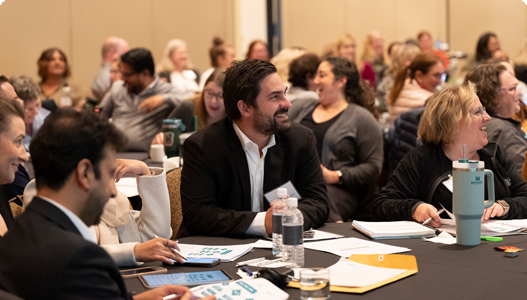
Special Events
$1,039
Sunday, October 5 8:30am – 5:00pm
$799.99
Pathway Program Guidance:
The Journey
Monday, October 6 8:00am – 5:00pm
$1,039
Monday, October 6 8:30am – 5:00pm
$45
Tuesday, October 7 8:30am – Noon
$45
Tuesday, October 7 1:00pm – 4:00pm
$150
Tuesday, October 7 5:30pm – 7:00pm
$150
Tuesday, October 7 5:30pm – 7:00pm
$500
Tuesday, October 7 7:30pm – 10:00pm
FREE
Wednesday, October 8 7:00 pm – 10:00 pm